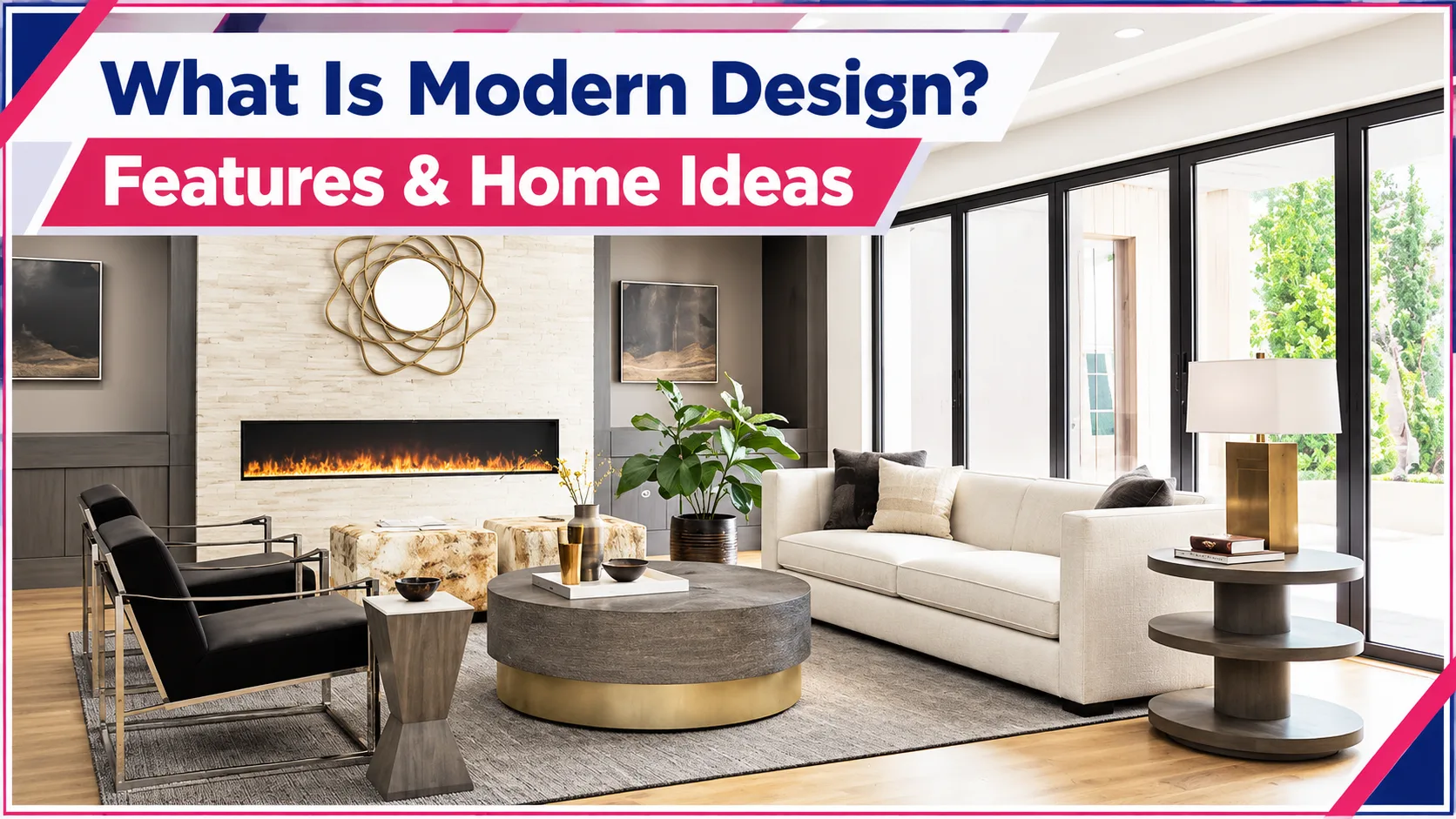
Modern design is a design movement that emerged in the early to mid-20th century. It emphasizes simple forms, functional furniture, clean lines, and materials such as wood, glass, steel, and leather.
Unlike contemporary design, which reflects current trends, modern design follows the principles of a specific design movement. A newly built home can feature traditional decor, while a chair from the 1950s can still represent modern design. The focus is on simplicity, function, and thoughtful use of space rather than how new something looks.
Where Did Modern Design Come From?
Modern design emerged in the late 19th and early 20th centuries, shifting away from ornate decoration toward simplicity and function. Four key influences helped shape its development:
- Early modernism: Introduced clean lines, simple forms, and practical layouts.
- Bauhaus: Founded in Germany in 1919, it combined art, craft, and functional design.
- Scandinavian design: Emphasized natural materials, practical furniture, and bright interiors.
- Mid-century modern: Popular from the 1940s through the 1960s, it brought organic shapes and functional furniture into American homes.
Together, these movements shaped the modern interiors and furniture we recognize today.
What Are the Main Features of Modern Design?
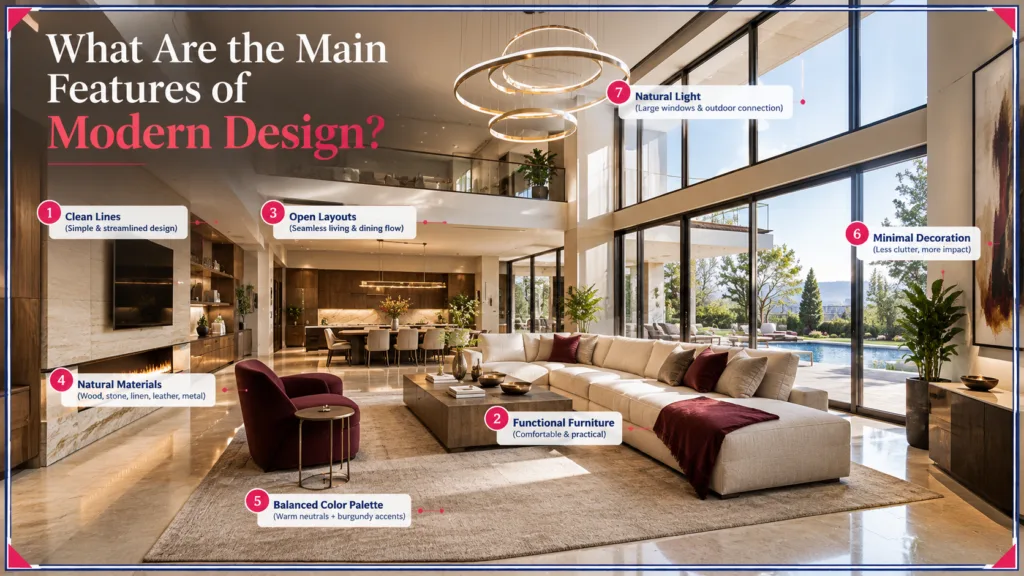
Modern design combines simplicity, functionality, and practical use of space. These seven features define its signature look:
- Clean lines: Simple shapes and straight edges create a streamlined look.
- Functional furniture: Each piece serves a clear purpose.
- Open layouts: Thoughtful furniture placement keeps spaces connected and easy to use.
- Natural materials: Wood, leather, stone, glass, and metal add texture and contrast.
- Simple color palettes: Neutral shades like white, beige, gray, and brown create a balanced look.
- Minimal decoration: Simple forms and quality materials provide visual interest without excess ornament.
- Natural light: Large windows and open layouts help daylight brighten the interior.
Modern Design vs. Contemporary Design: What’s the Difference?
Modern and contemporary design may look similar, but they have different meanings. Modern design follows a specific historical movement, while contemporary design reflects current styles and trends.
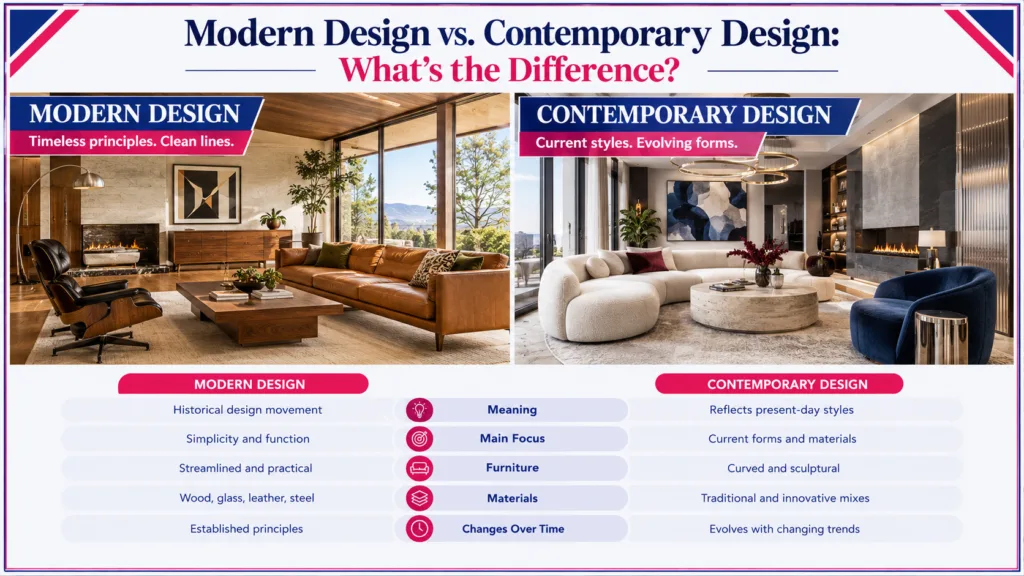
These styles can work together. For example, you can pair modern furniture with contemporary lighting or accessories. Understanding the difference helps you choose pieces that suit your preferred interior design style.
10 Ways to Bring Modern Design into Your Home
You can bring modern design into your home with simple furniture, thoughtful layouts, and practical decor. These ideas help create a clean, functional space without making it feel plain.
1. Choose Streamlined Furniture
Select sofas, tables, and chairs with simple shapes and clean lines. Measure your room before buying to ensure each piece fits comfortably and leaves enough space to move around.

2. Build a Balanced Color Palette
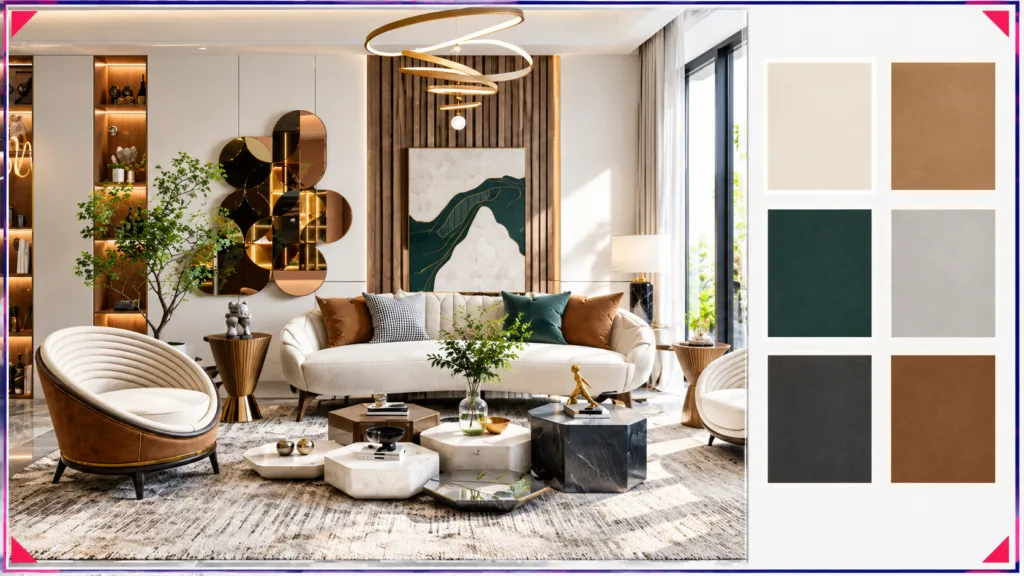
Start with neutral shades such as white, gray, beige, or brown. Add one or two accent colors through cushions, artwork, or accessories to create contrast without overwhelming the room.
3. Highlight Natural Materials
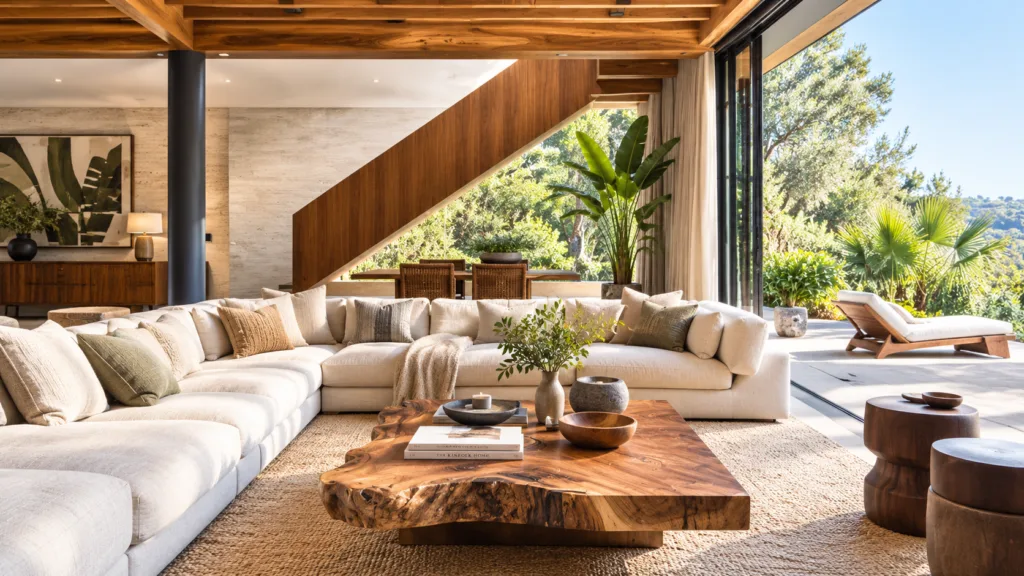
Use wood, stone, glass, and leather to add character to your interior. A wooden dining table or stone countertop can create visual interest without relying on ornate details.
4. Reduce Visual Clutter
Keep countertops, shelves, and tables organized. Use closed cabinets and built-in storage to tuck away everyday items while maintaining a tidy, streamlined appearance.
5. Arrange Furniture for Easy Movement
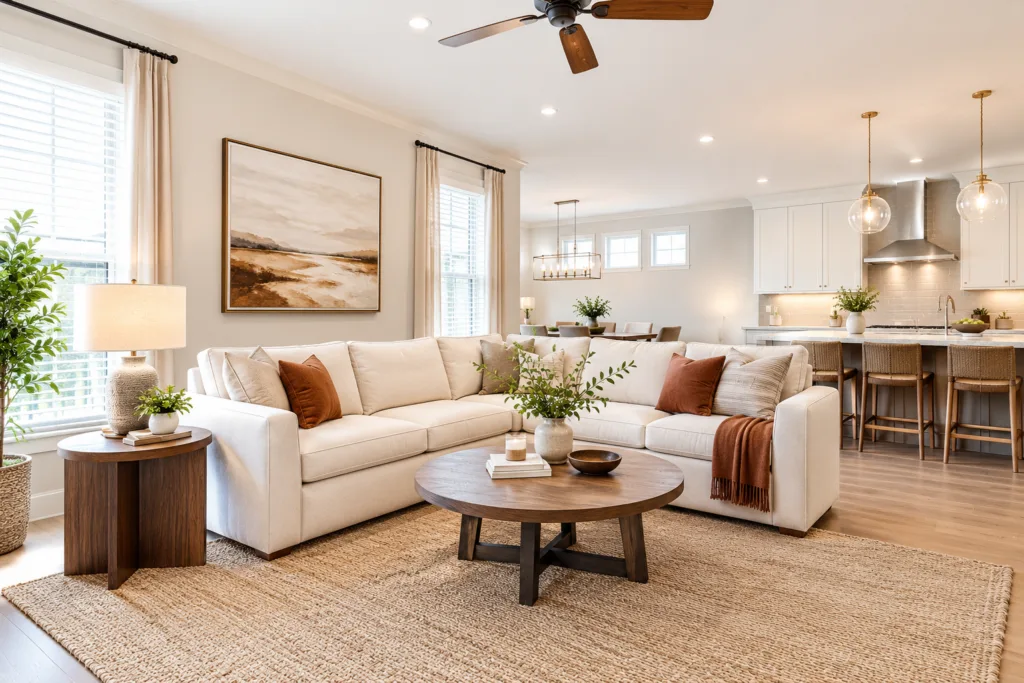
Position furniture to create clear walking paths and practical conversation areas. In open-plan homes, use rugs or furniture placement to define the living, dining, and kitchen zones.
6. Layer Lighting for Different Needs
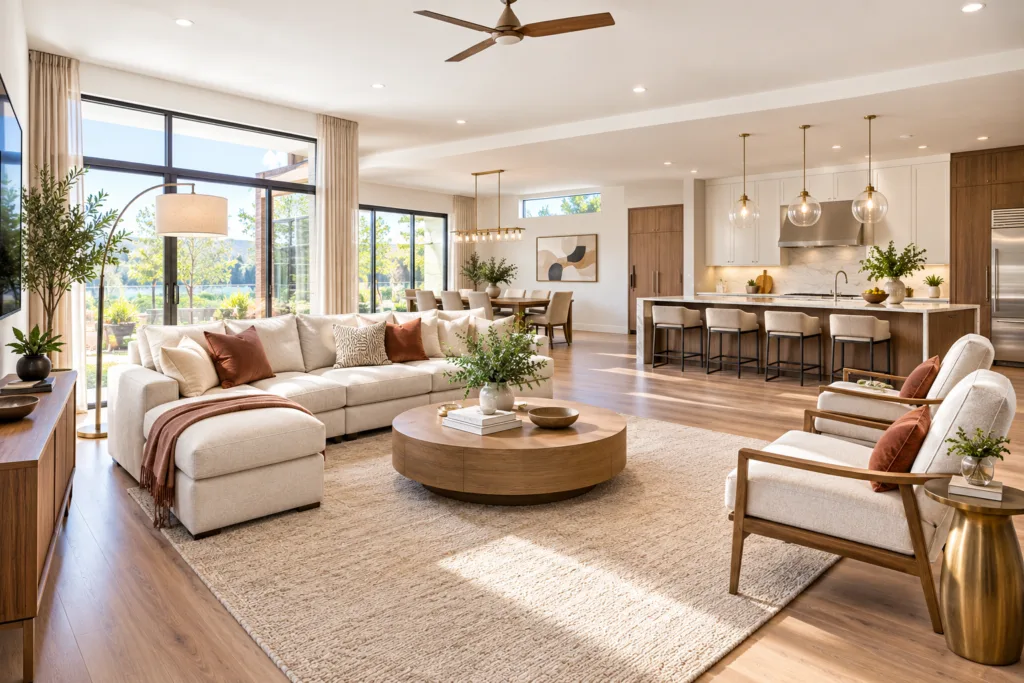
Combine overhead lighting with task lights and subtle accent lighting. Pendant lights can define a dining area, while table lamps provide focused light for reading or relaxing.
7. Maximize Natural Light
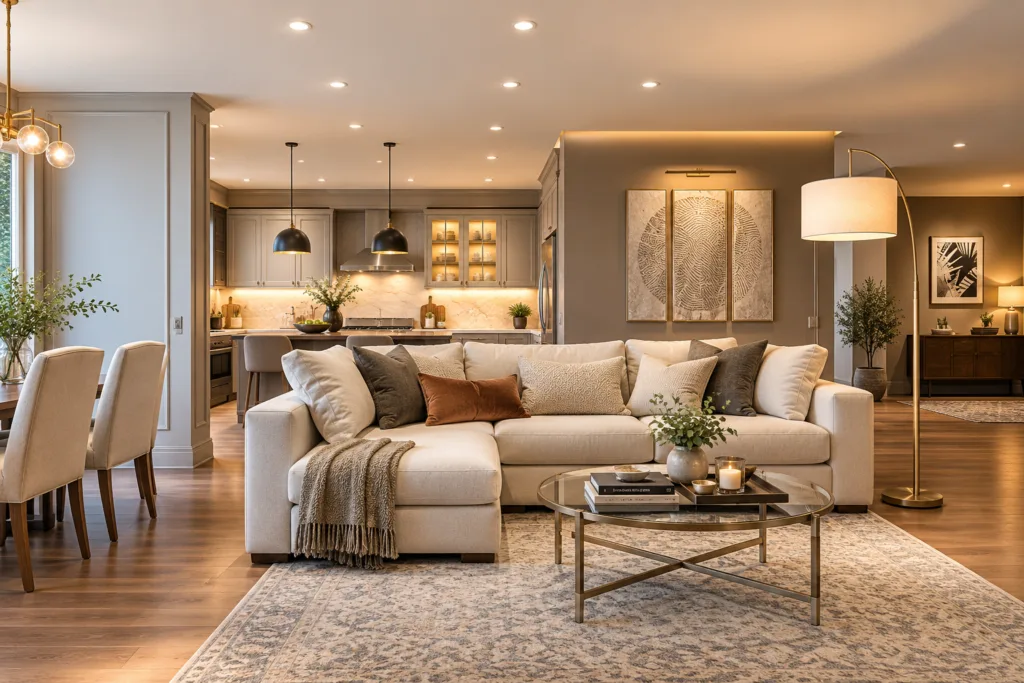
Choose simple curtains or blinds that suit your privacy needs without blocking unnecessary daylight. Keep window areas clear to help rooms feel brighter and more open.
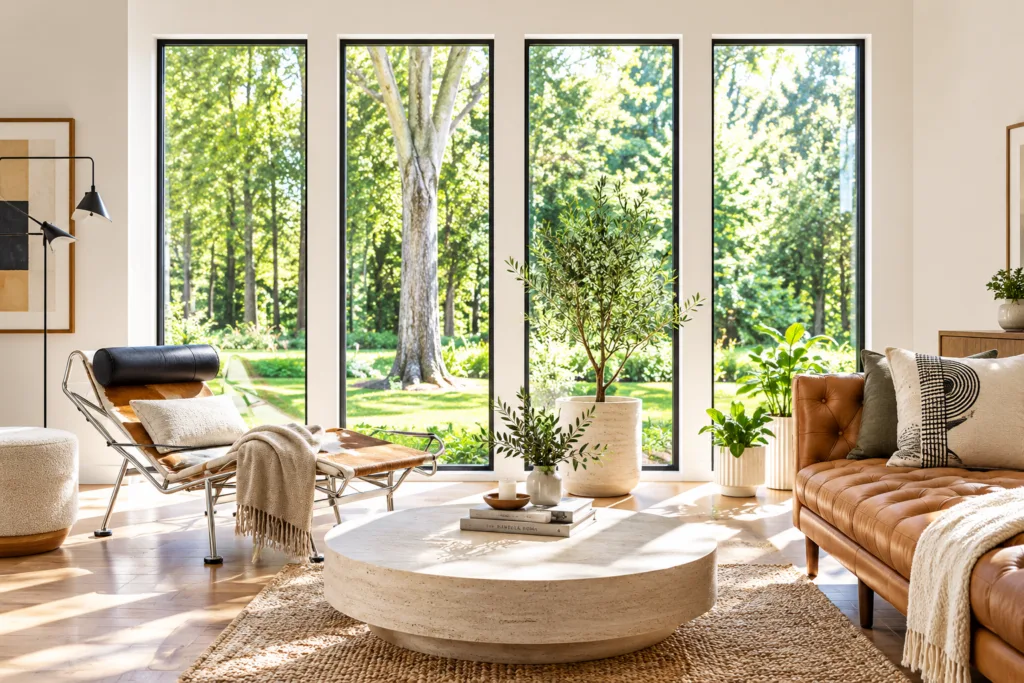
8. Use Artwork as a Focal Point
Choose a painting, print, or sculpture that complements your color scheme. One well-placed statement piece can draw attention without making the room feel crowded.
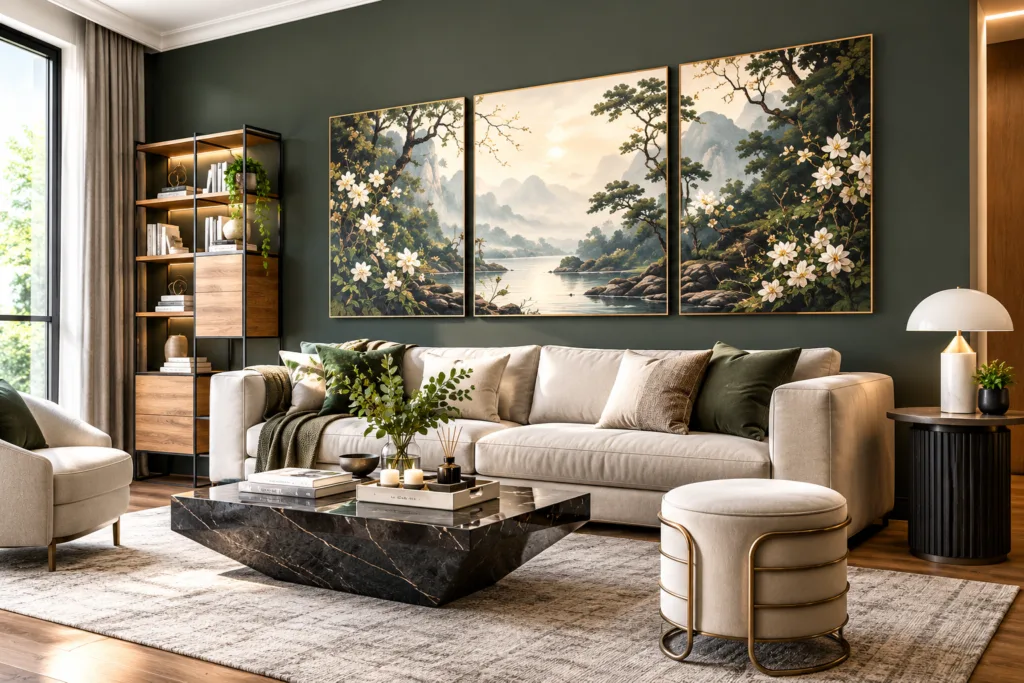
9. Add Contrast Through Texture
Combine smooth finishes with tactile materials such as woven fabrics, wool rugs, or visible wood grain. These contrasts add depth while preserving the simplicity of modern interiors.
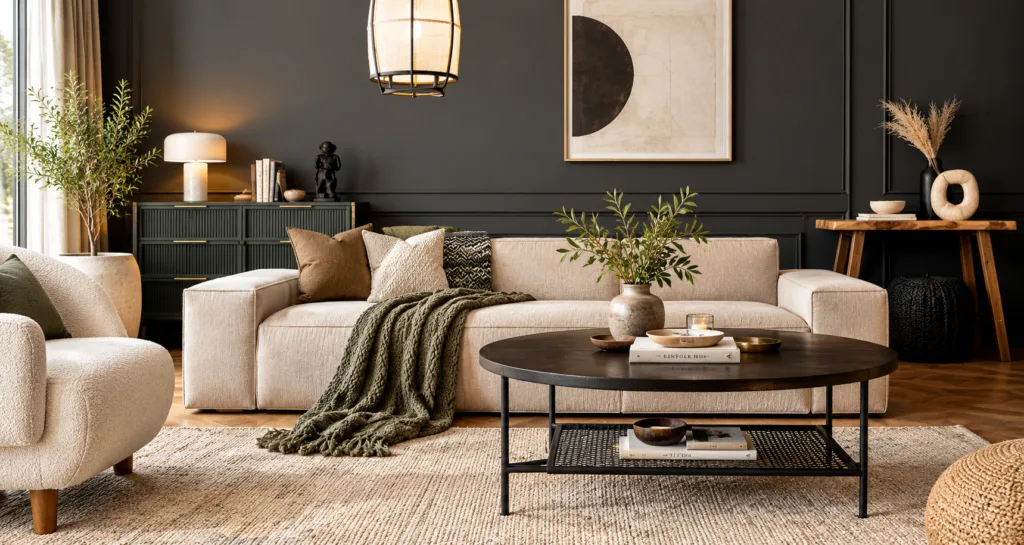
10. Prioritize Functional Decor
Choose accessories that serve a purpose as well as look good. A well-designed mirror can reflect light, a stylish lamp can brighten a reading corner, and attractive storage can keep essentials organized.
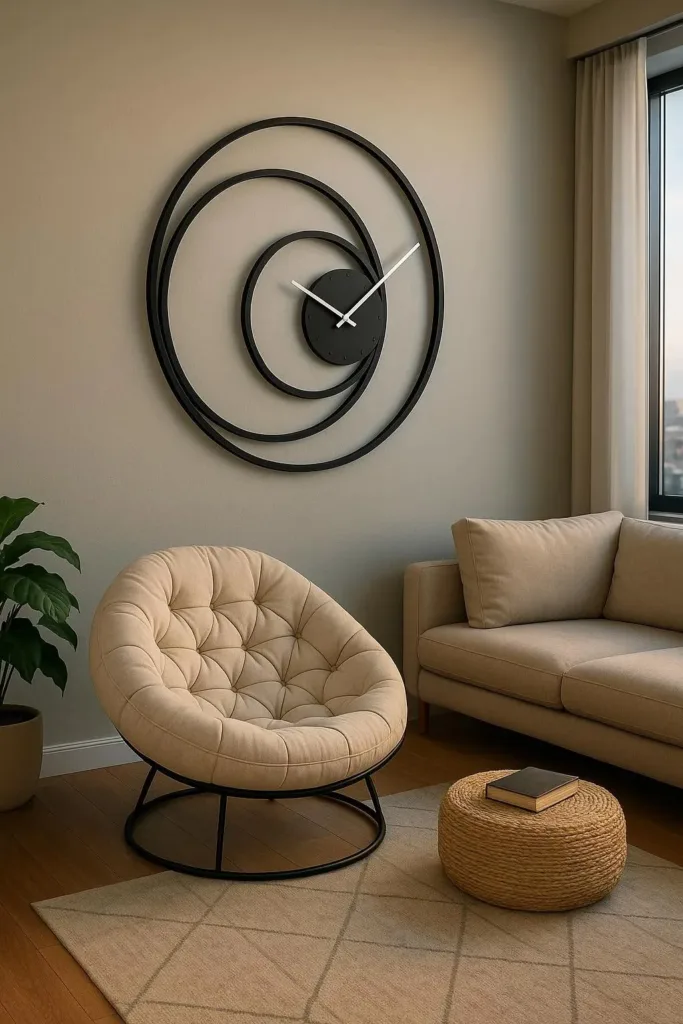
Modern Design Colors and Materials
Modern design combines a balanced color palette with materials that add texture and character. Neutral shades create a simple foundation, while wood, stone, glass, and metal bring contrast and visual interest.
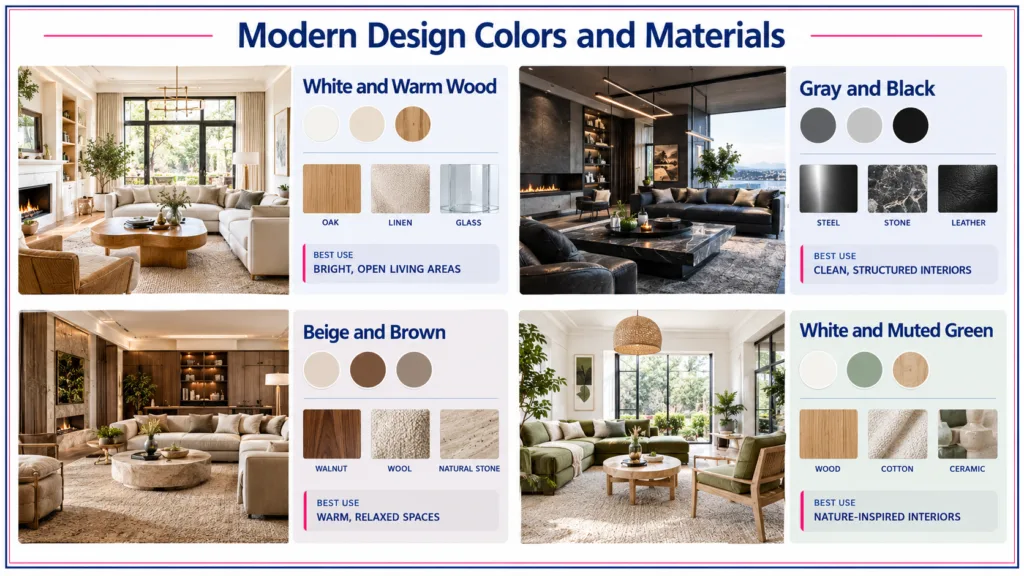
Modern design goes beyond white. Choose colors and finishes that suit your space and natural light. Custom woodwork adds warmth and storage; explore these custom woodwork ideas for inspiration.
Test paint, fabric, and wood samples in both natural and artificial light before making your final choice.
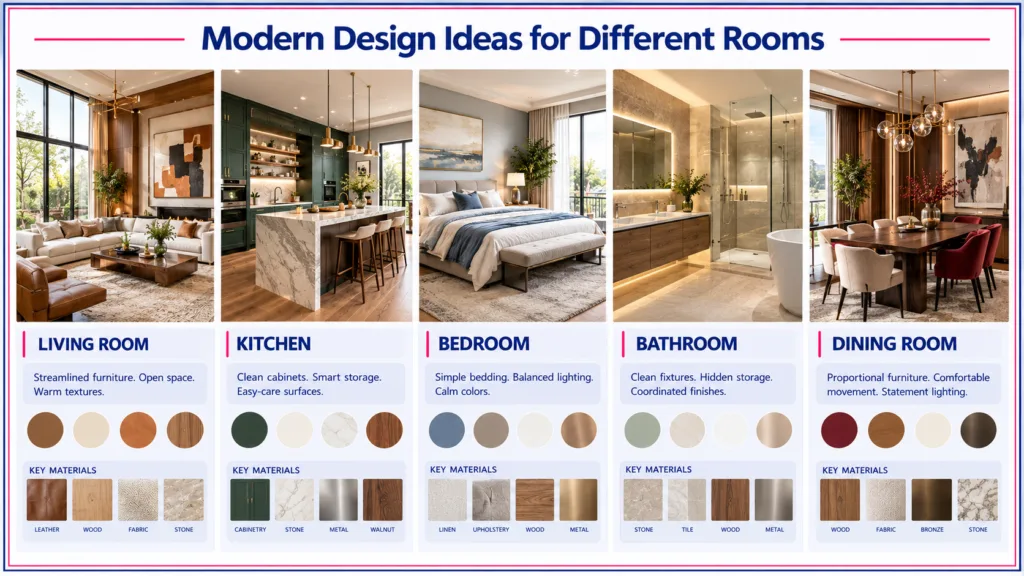
Modern Design Ideas for Different Rooms
Modern design adapts to each room through simple forms, practical furniture, and thoughtful layouts.
- Living room: Pair a streamlined sofa with a simple coffee table and an uncluttered seating area.
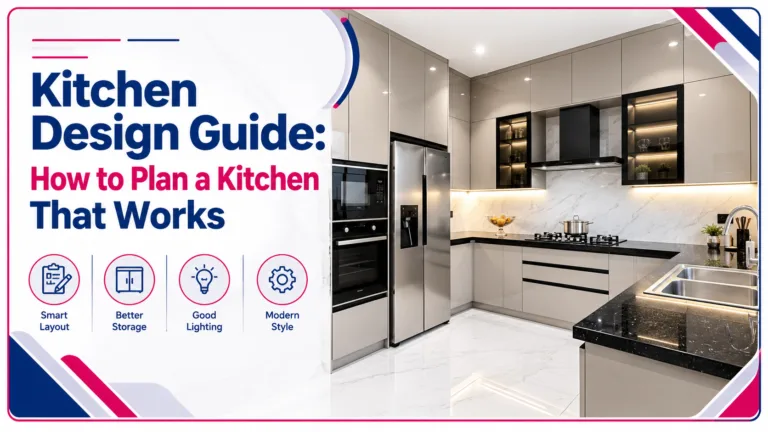
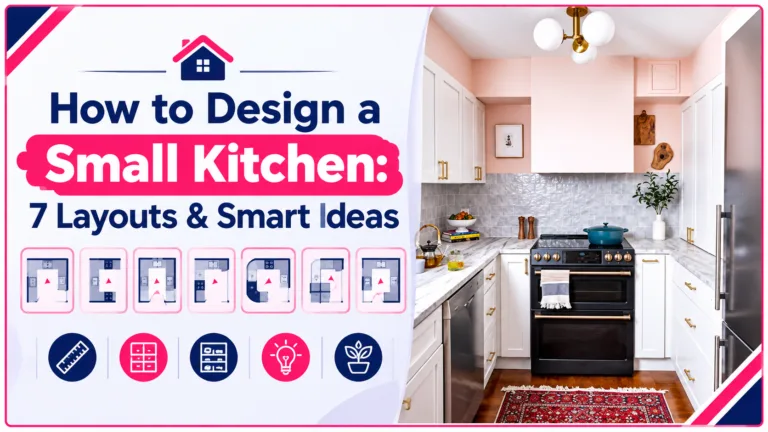
- Kitchen: Choose flat-front cabinets, efficient storage, and easy-to-clean surfaces.
- Bedroom: Use a simple bed frame, layered bedding, and matching bedside lamps.
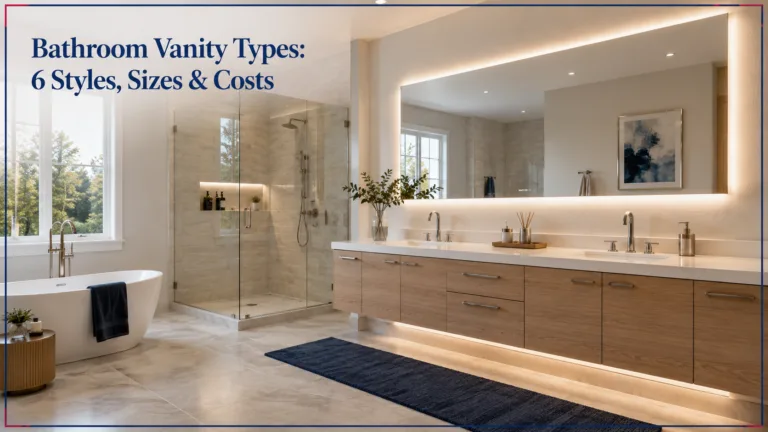
- Bathroom: Combine clean-lined fixtures with practical storage and coordinated finishes.
- Dining room: Select a well-proportioned table and chairs that allow comfortable movement.
How Much Does Modern Interior Design Cost?
The cost of modern interior design depends on the room size, design services, materials, and furniture you choose.
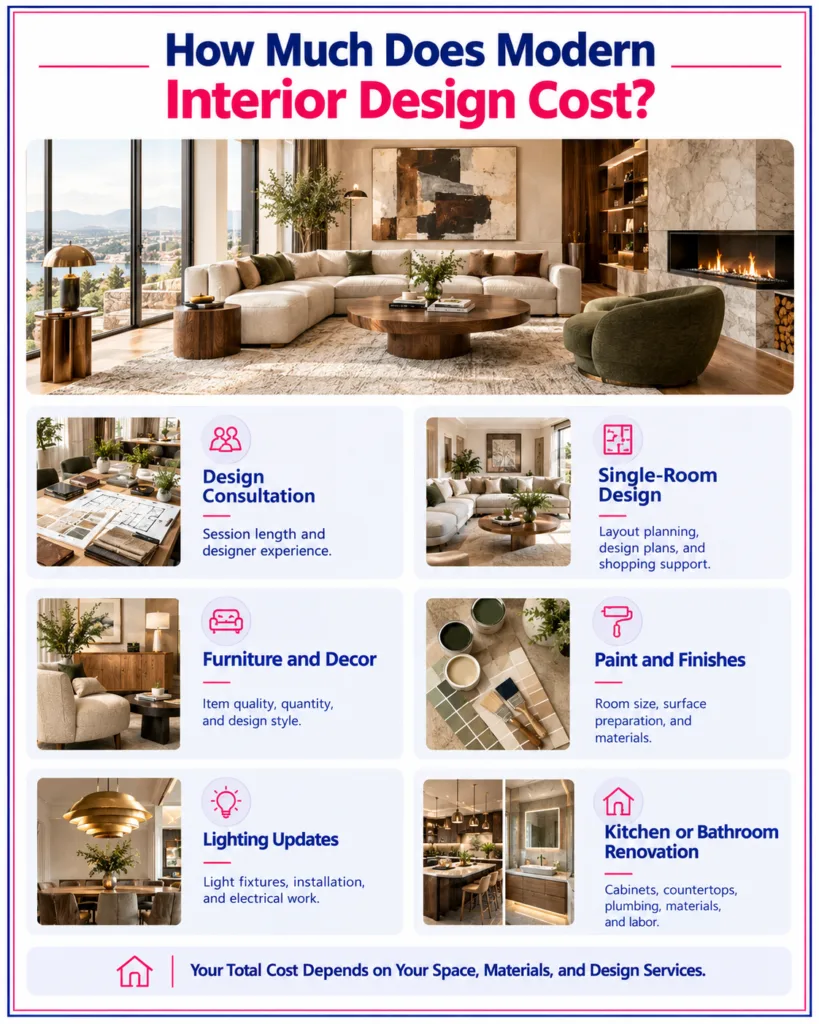
For a U.S. benchmark, HomeGuide reports design fees of 450–1,500 per room, with furniture charged separately. Combined design and furnishings can cost 1,000–12,000 per room. Actual prices vary by project and location.
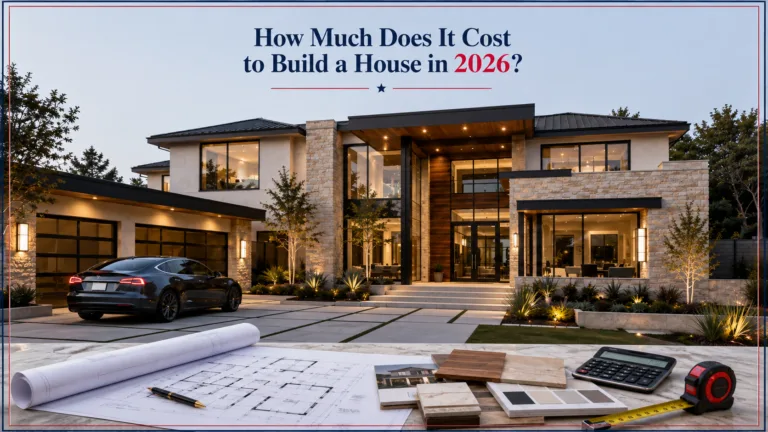
To manage your budget, reuse furniture and update one room at a time. If you plan to build a new home instead, read our guide on how much it costs to build a house.
Affordable Ways to Create a Modern Home
You can achieve a modern look without a major renovation. Make a few budget-friendly changes first:
- Reuse furniture with simple, clean lines.
- Update cabinet handles instead of replacing entire units.
- Declutter before buying additional storage.
- Refresh lamps, curtains, or cushion covers.
- Focus your budget on one room at a time.
- Compare product prices and installation quotes before purchasing.
Common Modern Design Mistakes to Avoid
- Leaving spaces too bare: Add functional furniture or a few well-chosen accents.
- Creating a cold atmosphere: Balance cool colors with wood, soft fabrics, or warm neutrals.
- Choosing oversized furniture: Measure the room and walking paths before buying.
- Ignoring layered lighting: Combine ambient, task, and accent lights.
- Adding unnecessary decor: Choose pieces that provide function, comfort, or visual interest.
Final Thoughts
Modern design combines clean lines, functional furniture, and thoughtful material choices. You don’t need a full renovation to achieve this look. Start with one practical update and build a simple, functional space that suits your style and budget.
Frequently Asked Questions
What is modern design in simple words?
Modern design emphasizes simple forms, clean lines, functional spaces, and natural materials.
What are the main characteristics of modern interior design?
Key features include streamlined furniture, practical layouts, balanced colors, natural materials, and minimal ornamentation.
What is the difference between modern and contemporary design?
Modern design comes from a specific historical movement, while contemporary design reflects current styles and trends.
Is modern design the same as minimalism?
No. Modern design values function and simplicity, while minimalism focuses on reducing elements to the essentials. The two styles can overlap.
Which colors work best in modern homes?
White, beige, gray, black, and natural wood tones create a balanced foundation. Accent colors can add contrast.
Can modern design work in a small home?
Yes. Use appropriately sized furniture, smart storage, and clear walkways to make the most of limited space.
Is modern design expensive?
Not necessarily. Costs depend on your furniture, materials, renovation needs, and whether you hire an interior designer.
How can I make my home look more modern?
Declutter your space, arrange furniture for easy movement, and update key finishes or lighting for a cleaner look.